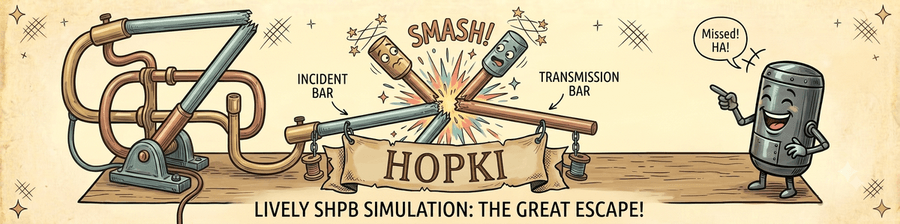
Hopki
Hopki is a desktop app and command-line toolkit for analyzing split Hopkinson bar experiments (compression and tension) — turning raw oscilloscope captures into dispersion-corrected stress–strain curves and publication-ready figures.
Research code, teaching notebooks, reproducibility packages, and tools from the group. Some projects are released; some are teasers because software has the annoying habit of existing before it is documented.
Hopki is a desktop app and command-line toolkit for analyzing split Hopkinson bar experiments (compression and tension) — turning raw oscilloscope captures into dispersion-corrected stress–strain curves and publication-ready figures.
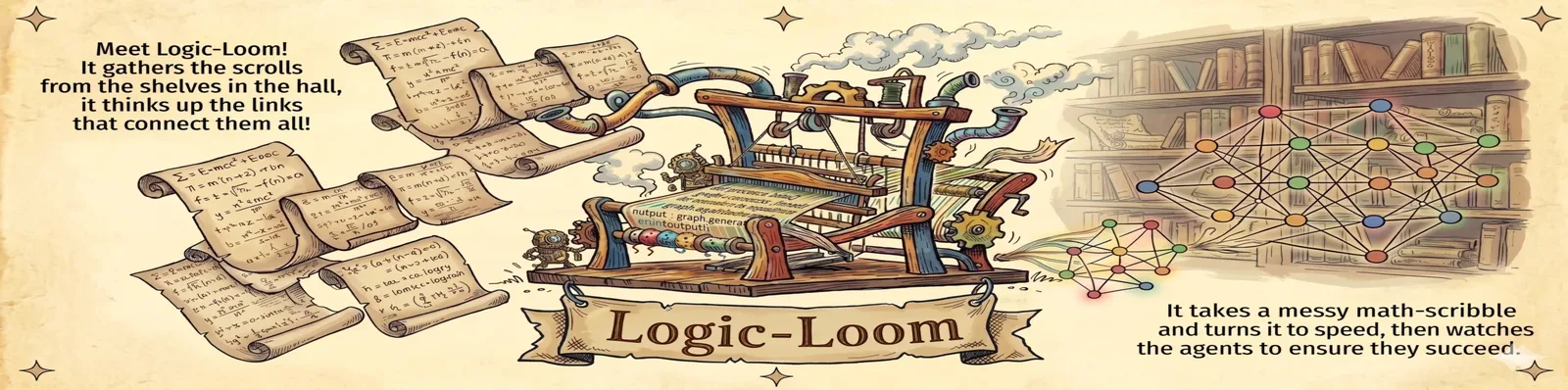
Meet the Logic-Loom. It gathers the scrolls from the shelves in the hall, it thinks up the links that connect them all! It takes a messy math-scribble and turns it to speed, then watches the agents to ensure they succeed.
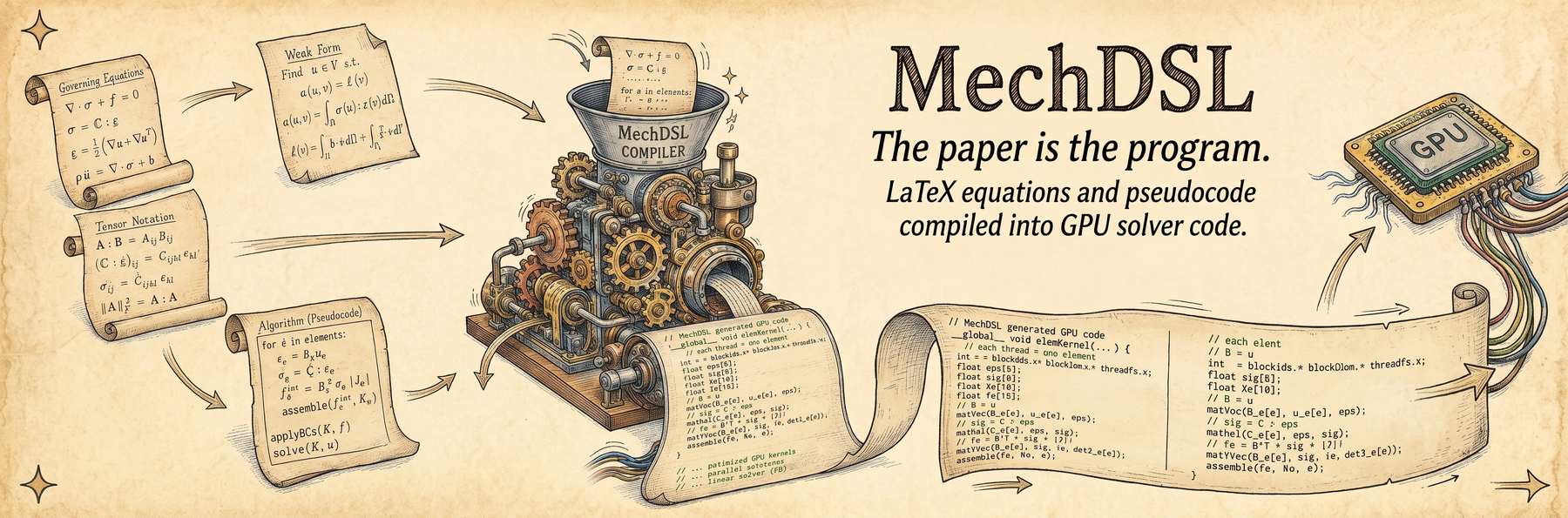
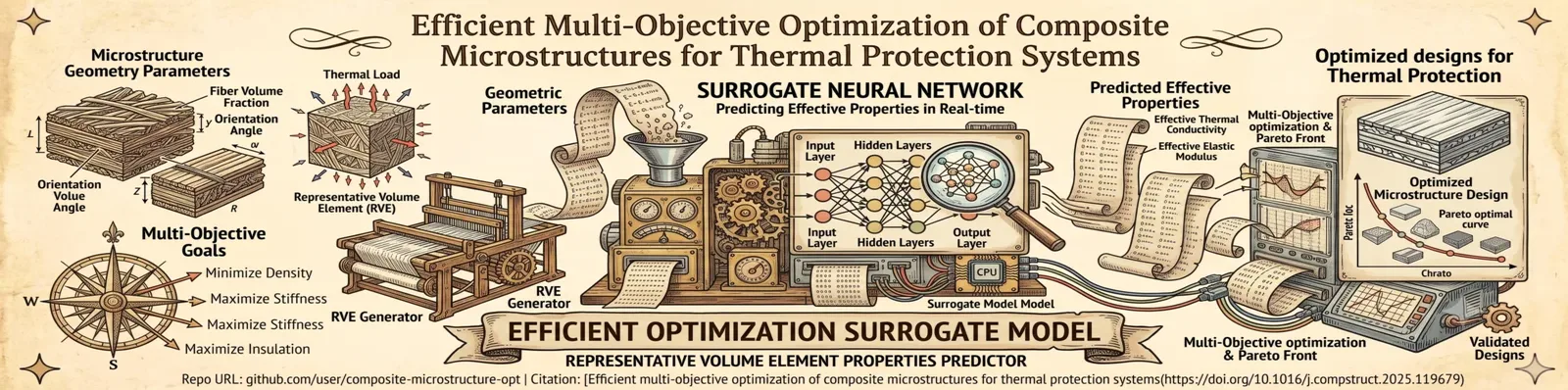
This repository contains the implementation of the surrogate neural network model described in the paper [Efficient multi-objective optimization of composite microstructures for thermal protection systems](https://doi.org/10.1016/j.compstruct.2025.119679). The model predicts effective thermo-mechanical properties of periodic Representative Volume Elements (RVEs) based on their geometric parameters.
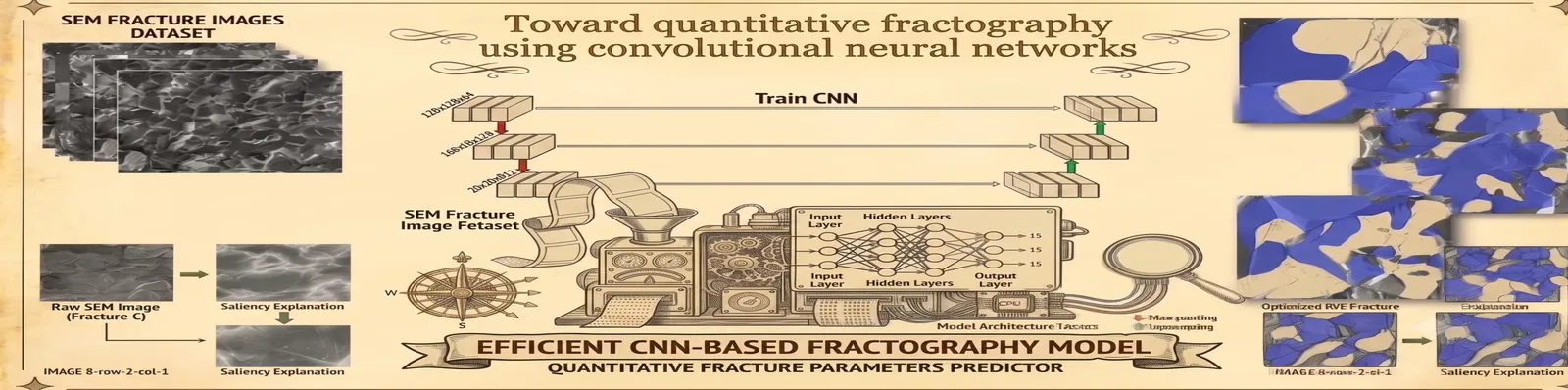
This repository is created to present the training process and the predictions results that are published in: Toward quantitative fractography using convolutional neural networks (https://doi.org/10.1016/j.engfracmech.2020.106992).
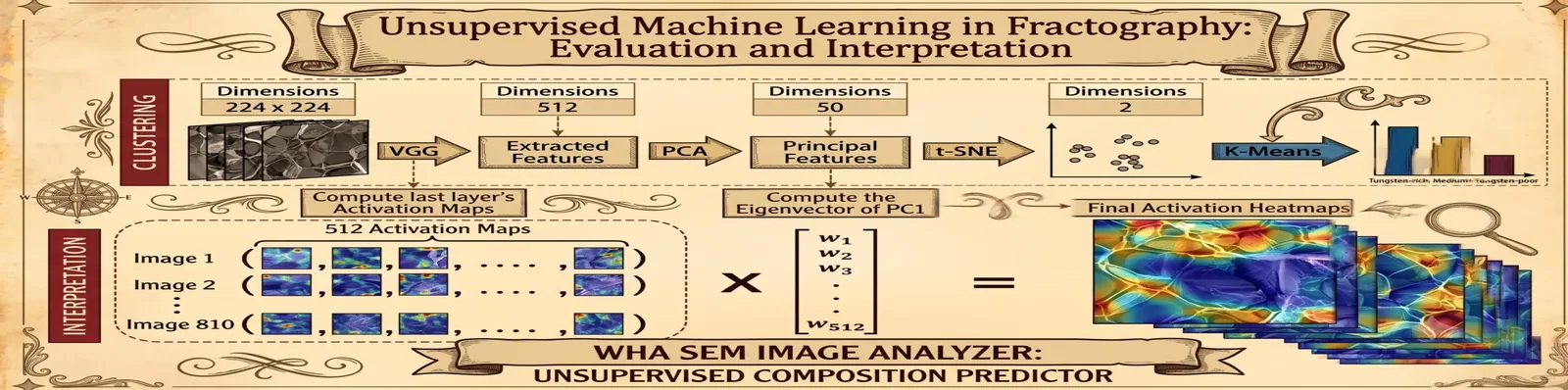
The main objective of this repository is to present Unsupervised ML data pipelines that enable the clustering and the classification of SEM fracture images of WHA samples, according to their tungsten composition.
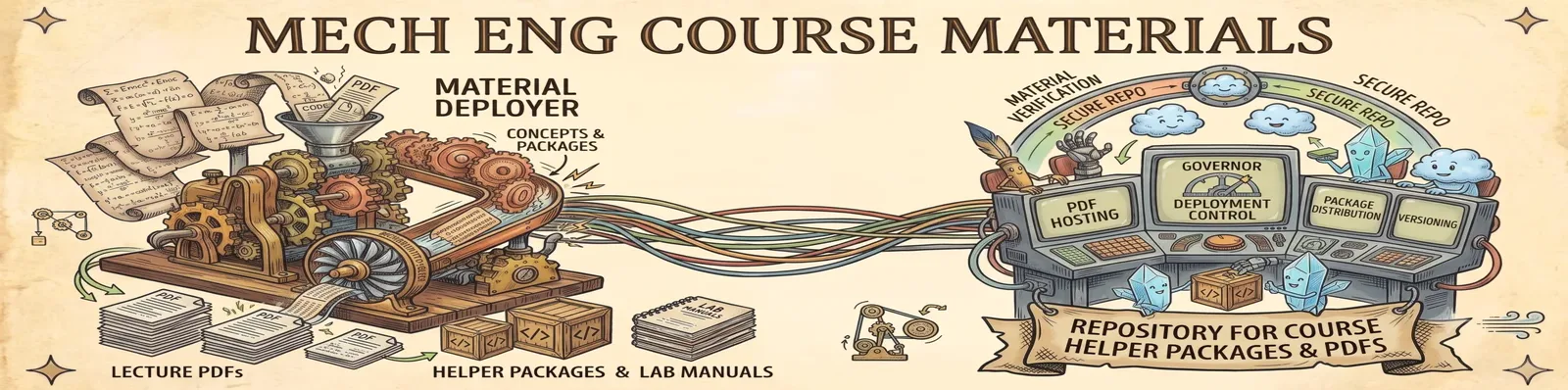
A monorepo collecting the helper packages I write for the courses I teach. Each course's toolkit lives as its own installable package.